
Vol. I · Weeks II, IX
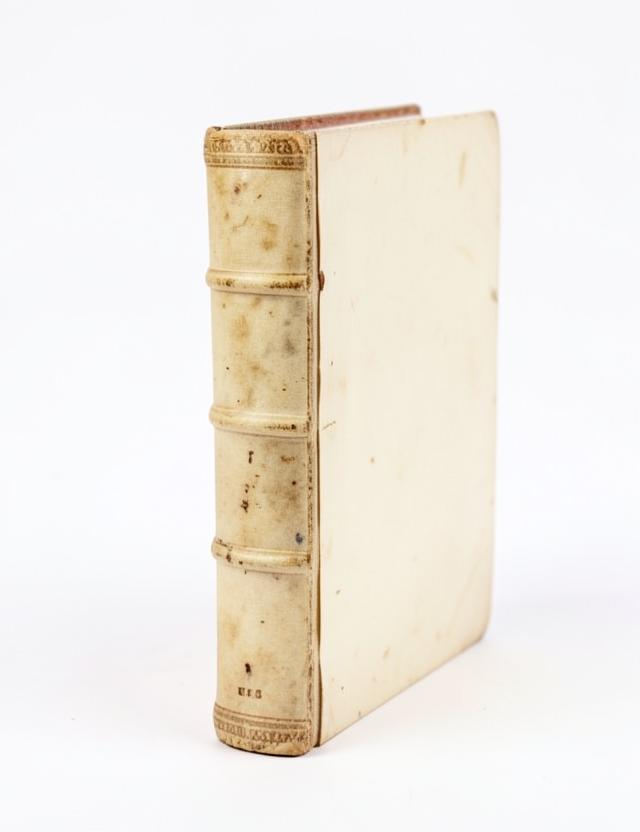
Second Treatise of Government
John Locke
The source. Natural rights and the labor theory of property give every later claim its footing.
Going Back to Our Future
An Ownership Society — where every citizen may freely choose and own the fruits of their labor — is an evolutionarily stable socio-economic strategy, and the next mutation of democratic capitalism.
We build the case from the ground up: from the membrane that made the first property line, through Locke's natural rights, Darwin's selection, Nash's mathematics and Nowak's five rules of cooperation, to the ownership mechanisms that already work.
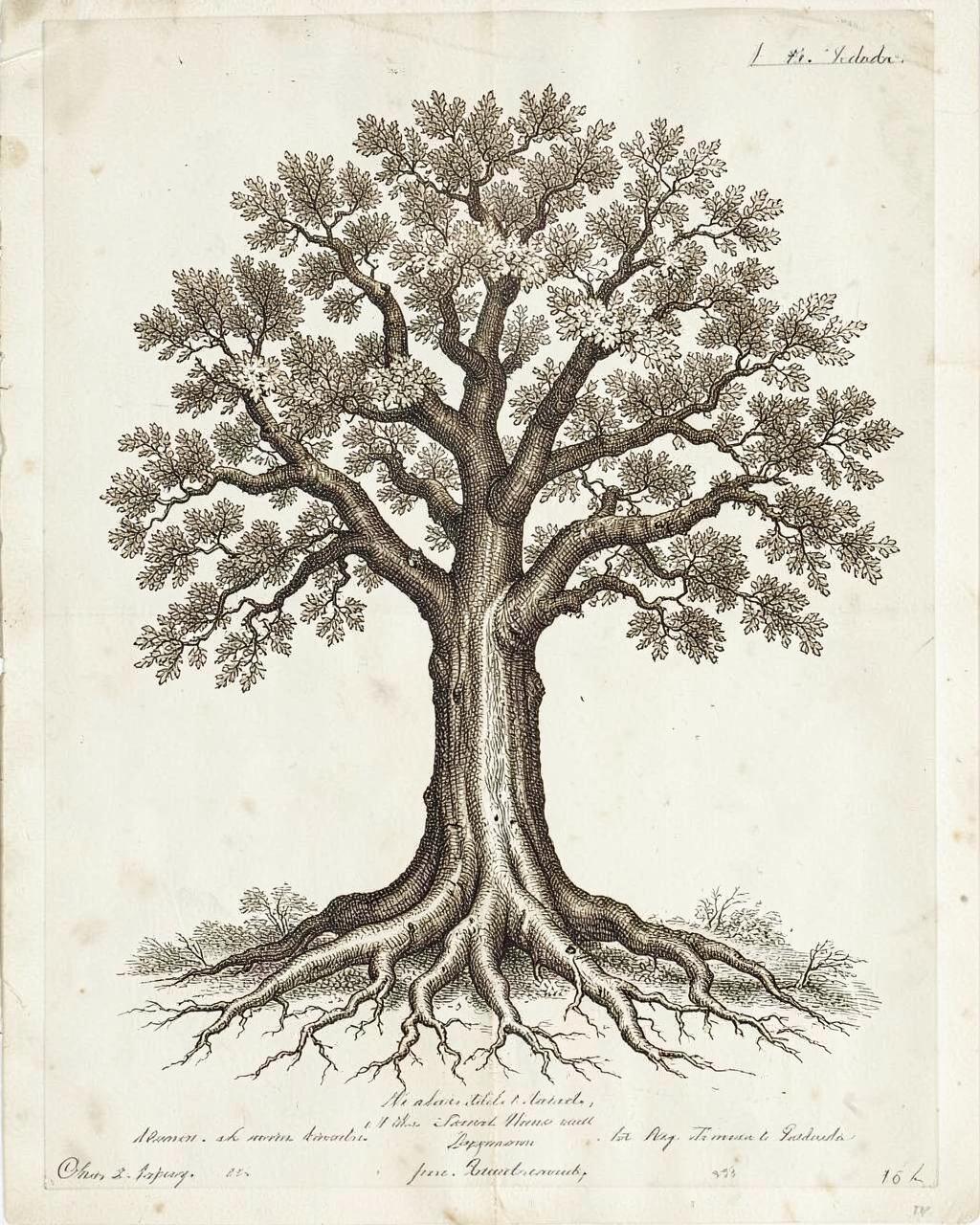
Each week is six leading messages, each followed by a supporting plate of diagrams, figures or chronology — and closes with the required reading and three questions to answer before next class.
Every life form protects and defends property: the gene is wrapped in DNA, DNA is walled in a nucleus, the cell is skinned by a membrane, and the family is housed. Ownership is not an invention of law; it is an instruction written into living matter.
Reading: The Selfish Gene — Richard Dawkins · 10 message slides + 10 supporting plates
Use the arrow keys: → walks the deck, ↓ opens the supporting plate beneath any leading message.
Plate 01 · leading message · use ← → keys
B is the benefit to the recipient, C the cost to the performer. Cooperation spreads only when the ratio B/C clears a threshold set by the mechanism in play.
B / C > threshold
© 2026 Walter R. Barry. All rights reserved. Ownership Society Academy™ and Ownership Society™ are trademarks of Walter R. Barry. Protected work — no copying, recording, redistribution, or model training without written permission.
B / C > 1 / R
We help those most closely related to us. R is the coefficient of relatedness — one half for a sibling, one quarter for a nephew.
Policy · Household savings, inheritance, family enterprise.
B / C > 1 / W
I scratch your back, you scratch mine. W is the probability of another round of engagement between the same two players.
Policy · Vesting equity, long contracts, tenure.
B / C > 1 / Q
You help others in a community that values reputation. Q is the probability that another person knows your reputation.
Policy · Disclosure, audit, portable records.
B / C > K
You help those in closest proximity because your interests are shared. K is the average number of neighbours per person.
Policy · Local ownership, co-operatives, community capital.
B / C > 1 + N + M
Groups of cooperators outcompete groups of defectors. N is group size and M the number of groups in competition.
Policy · Broad-based employee ownership at national scale.
The source. Natural rights and the labor theory of property give every later claim its footing.
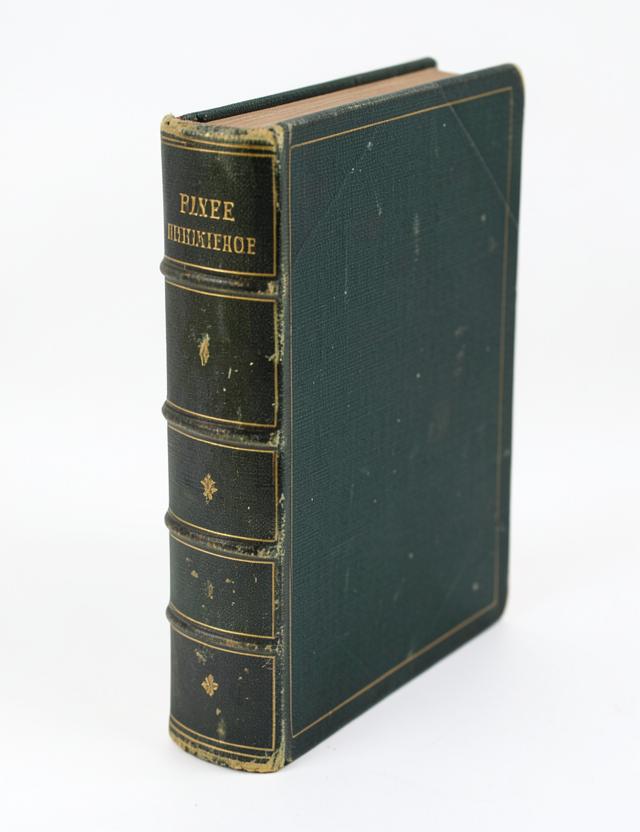
The engine. Scientific evidence for survival-of-the-fittest selection based strictly on genetic self-interest.
The mathematics. A stable solution concept for rational players in tension — and the Prisoner's Dilemma it explains.

The reframe. Selection moves from the organism to the replicator, and ownership becomes an instruction.
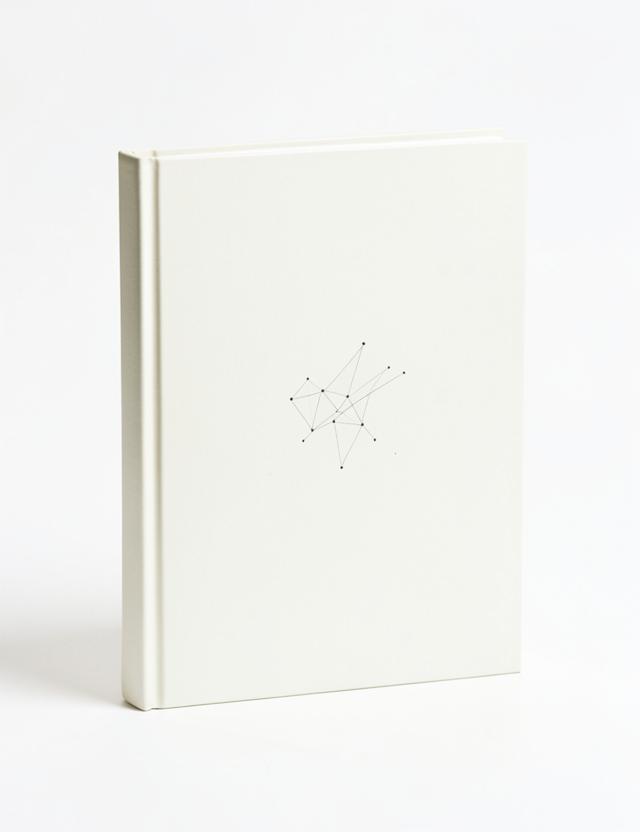
The payoff. Five rules, each with a formula, explain when cooperation outcompetes the defector.

The complement. Cells and animals do cooperate to survive — symbiosis is a creative engine of evolution.
The economy. The invisible hand of enlightened self-interest — and the limits history revealed in it.

The economics of ownership. Broad-based employee share ownership — the arrangement venture capital used to build great companies — enriched ordinary workers and outperformed the alternative.
Every week follows the sequence of the original post, “The Evolution of an Ownership Society: Going Back to Our Future,” by Walter Barry.
Read the essay at ownershipsociety.com →